

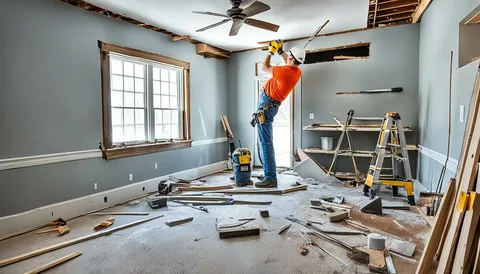
There’s a difference between a house that simply exists and a space that truly works for the people living or operating in it. Home renovations bridge that gap — taking outdated, inefficient, or underused spaces and transforming them into something functional, beautiful, and built for how you actually live or run your business. Whether you’re refreshing a single kitchen or taking on a full structural overhaul, the right renovation contractor turns a vision into a finished space you’ll enjoy for years.
Renovation vs Remodeling: What’s the Difference?
Before diving into project planning, it helps to understand a common point of confusion: home remodeling vs renovation. While the terms are often used interchangeably, there’s a subtle distinction.
Renovation generally refers to restoring or updating an existing structure — refreshing finishes, repairing what’s worn, and improving what’s already there without necessarily changing the layout.
Remodeling typically involves changing the structure or layout itself — knocking down walls, reconfiguring rooms, or adding entirely new space.
In practice, many projects blend both approaches, and a good renovation contractor near me will help clarify which category your specific project falls into and what that means for cost and complexity.
Popular Renovation Projects
Certain projects consistently top the list for homeowners considering an upgrade.
Kitchen Renovation Ideas
Kitchens tend to be the most-used room in any home, which makes them a frequent renovation priority. Popular kitchen renovation ideas include open-concept layouts that connect the kitchen to living spaces, updated cabinetry and countertops, improved lighting, and larger islands designed for both cooking and entertaining.
Bathroom Renovation Cost
Bathrooms are another top priority, often balancing style with functionality in a limited footprint. Bathroom renovation cost varies significantly based on scope — a simple fixture and finish update costs far less than a full layout change involving plumbing relocation, so it’s worth clarifying your priorities early with your contractor.
Basement Renovation Services
Unfinished basements represent some of the most underused square footage in a home. Basement renovation services can transform this space into a home office, guest suite, entertainment area, or additional living space — often at a lower cost per square foot than building a new addition.
Whole House Renovation: A Bigger Undertaking
For homeowners looking to update everything at once, whole house renovation offers a cohesive approach — one design vision, one construction timeline, and often better efficiency than tackling rooms individually over several years. This approach makes particular sense when structural systems (plumbing, electrical, HVAC) throughout the home need updating anyway, since it’s more efficient to address them all in a single project.
A full home renovation is a significant investment, both financially and in terms of disruption, but it typically delivers the most dramatic transformation and can substantially increase a property’s value.
Room Additions and Expanding Your Space
Sometimes a renovation isn’t just about updating what exists — it’s about adding more of it. Room addition renovation projects expand your home’s footprint, whether that’s an extra bedroom, a larger family room, or a dedicated home office. This route lets you gain space without the disruption and cost of relocating, though it typically involves more extensive permitting and structural work than interior-only projects.

Historic Home Renovation: Balancing Old and New
Historic home renovation comes with its own unique set of considerations. These projects often require balancing modern functionality and building codes with preserving original architectural details and character. Depending on the property’s designation, there may also be specific regulations or review boards governing what changes are permitted — making experience with historic properties a valuable asset when choosing a contractor for this type of project.
Structural Renovation Work
Some renovations go beyond cosmetic updates and involve structural renovation work — removing load-bearing walls, adding support beams, or addressing foundational issues. This category of work requires careful engineering assessment and typically involves permits and inspections to ensure the changes meet safety codes. It’s not an area to cut corners on, since structural mistakes can compromise the safety and integrity of the entire building.
Commercial Renovation: A Different Set of Priorities
Commercial renovation company services address a different set of needs than residential projects. Office renovation services, for example, often focus on maximizing functional workspace, updating technology infrastructure, and creating layouts that support collaboration or client-facing needs. Commercial projects also frequently need to work around business operations, minimizing downtime or coordinating renovation phases outside of business hours to avoid disrupting revenue.
Planning Your Renovation: Permits and Timeline
Understanding the practical side of a renovation helps set realistic expectations.
Renovation permits and planning typically apply to any project involving structural changes, electrical work, or plumbing modifications. A reputable contractor handles this process on your behalf, ensuring the project meets local building codes from the start.
Renovation project timeline varies enormously based on scope — a bathroom refresh might take two to three weeks, while a full home renovation can take several months. Structural changes, permit approval times, and material lead times all factor into the overall schedule.
Fixer-Upper Renovation: Realistic Expectations
Taking on a fixer-upper renovation can be a rewarding way to get more house for your money, but it requires realistic budgeting. These properties often reveal unexpected issues once work begins — outdated wiring, hidden water damage, or aging plumbing — which is why building in a healthy contingency budget matters even more than with a standard renovation.
Budgeting for Your Renovation
A clear renovation budget estimate should account for:
- Scope of work, from cosmetic updates to structural changes
- Material and finish selections
- Labor costs specific to your region
- Permit fees where applicable
- A contingency fund (typically 10–15%) for unexpected issues, especially important for older homes
Renovation Contractor Financing
Larger renovation projects represent a significant investment, which is why many contractors now offer renovation contractor financing options, allowing homeowners to spread project costs over time rather than paying entirely upfront. It’s worth discussing available financing options during your initial consultation if budget is a primary concern.
Interior Renovation Design: Making It Cohesive
Beyond structural changes, thoughtful interior renovation design ties a project together — coordinating flooring, lighting, cabinetry, and finishes so the finished space feels intentional rather than like a series of disconnected updates. Many renovation companies offer in-house design services or partner with designers to help homeowners make cohesive selections throughout the project.
Choosing the Right Renovation Contractor
When evaluating a renovation contractor near me or commercial renovation partner, look for:
- A portfolio of completed projects similar in scope to yours
- Proper licensing and insurance
- Clear, written contracts detailing scope, cost, and timeline
- Positive reviews mentioning communication and reliability
- Transparent handling of permits and inspections
Final Thoughts
Whether you’re refreshing a single room or undertaking a full home renovation, the right approach transforms a space into one that truly fits how you live or work. With careful planning, a clear budget, and an experienced renovation contractor, your next project can deliver lasting results — both in daily enjoyment and long-term property value.
Ready to start planning your renovation? Reach out to a trusted local renovation contractor for a consultation and a personalized estimate.
Frequently Asked Questions
What’s the difference between renovation and remodeling? Renovation typically refers to updating or restoring an existing space, while remodeling usually involves changing the structure or layout. Many projects combine elements of both.
How much does a bathroom renovation typically cost? Cost varies widely based on scope — a simple fixture update costs far less than a full layout change involving plumbing relocation. Getting an itemized quote helps clarify pricing for your specific project.
Do I need permits for a home renovation? Most projects involving structural, electrical, or plumbing changes require permits. Purely cosmetic updates typically don’t. Your contractor should handle this process for you.
How long does a whole house renovation take? Timelines vary based on scope, but a full home renovation often takes several months, factoring in permitting, structural work, and finish selections.
Is renovation financing available? Many contractors offer financing options for larger projects, allowing homeowners to spread costs over time. It’s worth asking about available options during your initial consultation.